
Direct answer
An all-in-one inverter and battery combines power conversion and energy storage in one system. KEZHUN’s AL-PH range integrates an inverter, LiFePO4 battery and MPPT solar charging in a wheeled cabinet. Choose rated output and nominal battery energy separately, then confirm the household load list, electrical conditions and installation requirements before ordering.
For a distributor or installer supplying home backup, an all-in-one inverter and battery is useful when the customer wants the main conversion and storage equipment in one cabinet. KEZHUN’s AL-PH range combines an inverter, LiFePO4 battery and MPPT solar charging in a wheeled enclosure. Select the configuration from the household’s electrical requirements, rather than treating “all-in-one” as a complete installation specification.

What is integrated, and what still needs planning?
The inverter manages power conversion; the battery stores energy; MPPT charging provides the solar-input function. Integrating these components gives the buyer one equipment configuration to review. It does not remove the need to confirm installation, external protection, connections and the intended backup arrangement. Wheels help with positioning; they do not make a household storage cabinet a hand-carried power station.
Compare the four AL-PH configurations
The figures below come from the reviewed manufacturer-supplied AL-PH specifications. Each model links to its product page for the complete specification and available photographs. Battery energy is the listed nominal figure, not a promise of usable AC energy.
| Model | Rated inverter output | Listed battery energy | PV input voltage range |
|---|---|---|---|
| AL-PH3.6KW&7.68KWH | 3.6 kW | 7.68 kWh | 40–450 V |
| AL-PH6KW&10.24KWH | 6 kW | 10.24 kWh | 60–450 V |
| AL-PH6KW&16KWH | 6 kW | 16 kWh | 60–450 V |
| AL-PH12KW&32KWH | 12 kW | 32 kWh | 80–500 V |
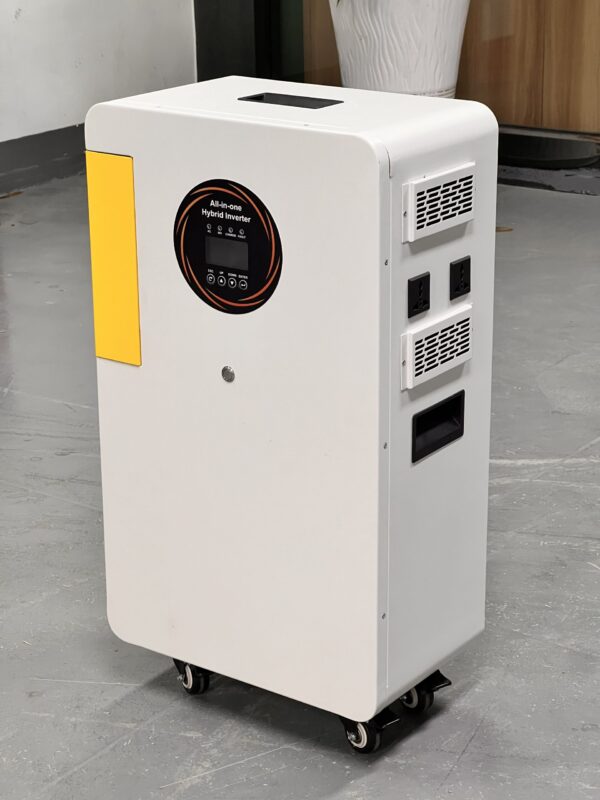
The two 6 kW models illustrate the most useful distinction: the 16 kWh configuration has more listed battery energy than the 10.24 kWh configuration, while both retain a 6 kW rated inverter output. More kWh does not increase their listed continuous output power. The 12 kW / 32 kWh model changes both ratings; suitability still depends on the actual site.
Use the table above to shortlist across the whole AL-PH family. If your load review has narrowed the choice to AL-PH6KW&10.24KWH or AL-PH12KW&32KWH, the separate 6 kW vs 12 kW guide compares those two configurations.
Choose power and battery energy separately
First list the appliances that must operate together during an outage, their running power and their starting demand. A refrigerator, pump or other motor load needs its own starting requirement checked against the proposed equipment. Record which loads can be scheduled separately instead of adding every appliance in the house to one simultaneous demand.
Next record the hours needed for each essential load and the expected charging opportunities. Use the home-backup load-list guide to build that schedule. Battery energy divided by load gives only an initial estimate when both are expressed on a consistent basis. Confirm usable battery energy, conversion losses, operating limits and reserve settings before estimating delivered backup time. A 16 kWh label alone cannot establish how long a particular household will run.
Check electrical and installation conditions
The reviewed AL-PH data lists 220–240 V AC output and 50 / 60 Hz. Confirm the exact supplied configuration, phase arrangement, connections and destination requirements in writing. These figures do not establish compatibility with every home or permission to export to a public grid.
Match the proposed solar array to the selected model’s PV input limits, including the applicable voltage and current requirements. The table’s voltage range is one input to that review, not a solar-string design. Provide the panel specifications and proposed arrangement for checking before ordering.
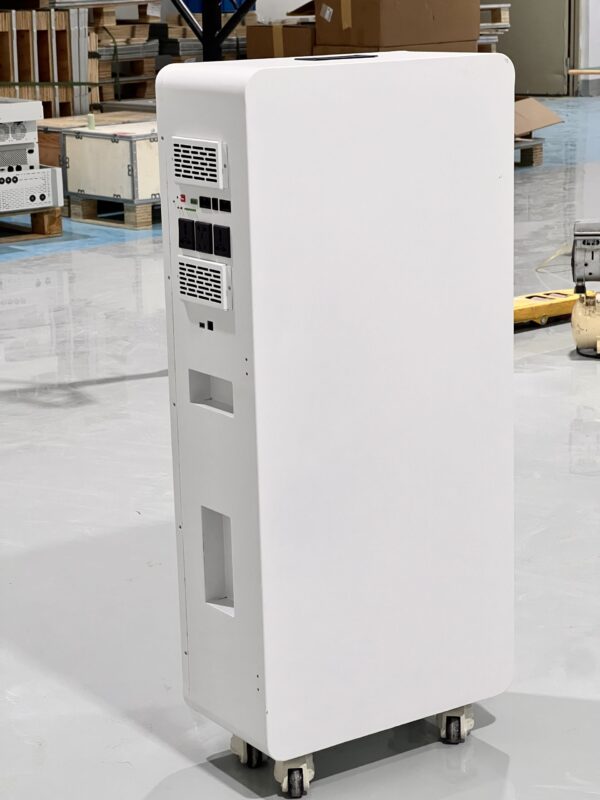
For placement, check cabinet dimensions, access, support, handling, ventilation and environmental requirements against the installation information supplied for that configuration. For example, the reviewed 6 kW / 16 kWh data lists 1040 × 460 × 240 mm and 124 kg total weight. The source labels that as total weight, not net weight. Plan handling accordingly and confirm the supplied equipment details.
Prepare a comparable wholesale quotation
Send the exact SKU, quantity, destination country, buyer role and intended household application. Include the load schedule, required backup duration, AC conditions, proposed PV details and installation constraints. For branding or packaging requests, use the OEM quotation checklist so the requested scope can be reviewed with the equipment configuration.
Request current model documentation, available installation information and the evidence required for your destination. Confirm MOQ, delivery scope, warranty coverage and start date, return arrangements and freight responsibilities in the written quotation. Component warranty periods alone do not define the warranty for an entire integrated system.
Buyer questions
Does an all-in-one inverter and battery power an entire home?
That depends on simultaneous loads, starting demand, usable energy and the installation design. Specify essential loads first; the product name is not an assurance that every appliance can run together.
Which should I compare: 6 kW / 10.24 kWh or 6 kW / 16 kWh?
Compare the required energy and operating schedule after checking power demand. Both configurations list 6 kW inverter output; their listed battery energy differs. Request a review using your actual load list.
Is a wheeled all-in-one system plug-and-play?
Wheels describe handling and positioning. They do not confirm the electrical connections, protection, transfer arrangement or commissioning needed for the specific home.
Can the published battery energy guarantee backup hours?
No fixed runtime follows from nominal kWh alone. Delivered energy, load variation, losses and operating settings must be included in an estimate for the proposed configuration.
Background references
For general principles. Use KEZHUN product documentation and the written quotation for AL-PH specifications and the supplied configuration.
- U.S. DOE: solar energy and storage basics — Storage capacity (kWh), power (kW), and conversion losses.
- U.S. EIA: measuring electricity — Constant-load estimate: kWh = W × hours ÷ 1000.
Ready to review a household storage requirement? Request an AL-PH6KW&16KWH model quotation. KEZHUN supplies through wholesale enquiries; single-unit retail orders are not supported. If another AL-PH configuration fits the project better, include that exact SKU with the request.