
Direct answer
Compare the 500 W/1 kWh and 1000 W/2 kWh KEZHUN 220 V models. Check loads, charging, battery energy and electrical requirements before a wholesale order.
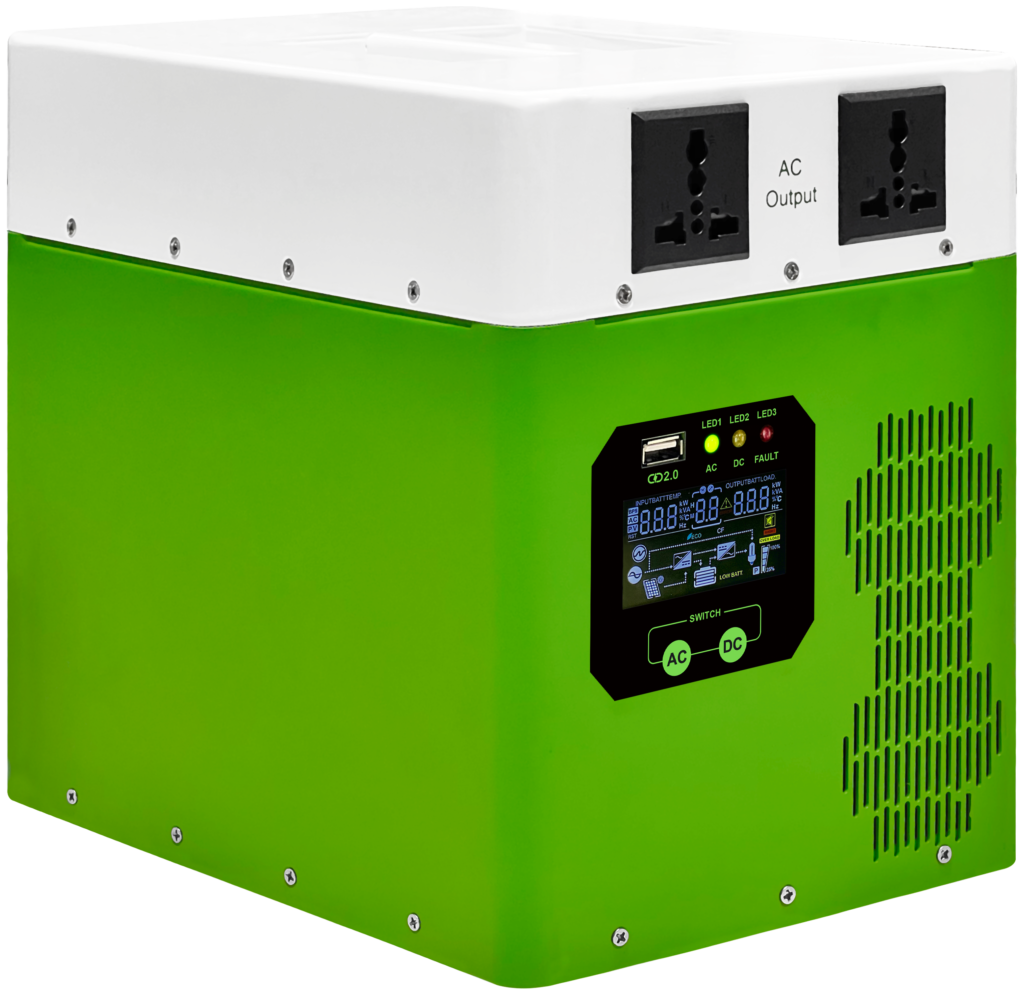
A 500 W power station and a 1000 W power station differ first in how much AC load they can supply at one time. Battery energy is a separate comparison. In the KEZHUN Screen-A configurations discussed here, PH-500-A-220V pairs a 500 W rated inverter with 1 kWh of battery energy, while PH-1000-A-220V pairs a 1000 W rated inverter with 2 kWh. Both are specific 220 V configurations.
For a distributor or installer, the useful question is which model matches the customer’s appliances, operating time and charging conditions. The larger power number alone does not answer all three.
Compare the exact 220 V configurations
The following figures come from the current KEZHUN product listings and their reviewed manufacturer-supplied specifications. They describe these two SKUs rather than every product sold as a 500 W or 1000 W power station.
| Specification | PH-500-A-220V | PH-1000-A-220V |
|---|---|---|
| Rated inverter output | 500 W | 1000 W |
| Listed battery energy | 1 kWh | 2 kWh |
| Battery chemistry | LiFePO4 | LiFePO4 |
| Rated AC output voltage | 220 VAC ±5 VAC | 220 VAC ±5 VAC |
| AC output waveform | Pure sine wave | Pure sine wave |
| Listed AC charging power | 500 W | 1000 W |
| PV input voltage range | 12–60 V | 12–60 V |
| Maximum PV charging power | 300 W | 550 W |
| Net weight | 12.05 kg | 18.5 kg |
See the full specifications and photographs for PH-500-A-220V and PH-1000-A-220V. Confirm the outlet format and final configuration with the quotation.
Start with the appliances that run together
Make a list of the devices that will be connected at the same time. Use measured consumption where available, or the relevant appliance specifications. Add their running power, then separately identify equipment with a starting surge, such as a refrigerator compressor or a motor.
A load above 500 W is beyond the PH 500’s listed rated inverter output. Moving to a 1000 W model increases the rated output available, but suitability still depends on the actual combined load, starting demand and operating conditions. Do not treat the rated output as proof that any appliance carrying the same number will operate correctly.
For example, a deliberately simplified load list might contain a 110 W device, a 40 W device and a 60 W device. Their combined running power is 210 W. Those figures are illustrative inputs, not measured performance of a customer installation.
Calculate energy separately from power
Energy used by a steady load can be estimated as watts multiplied by operating hours, divided by 1000. The U.S. Energy Information Administration explains the distinction between power in watts and energy in watt-hours.
Using the illustrative 210 W load for four hours gives 0.84 kWh of energy at the load. That does not establish that a power station listing 1 kWh will deliver the requested four hours: usable battery energy, inverter losses, the starting state of charge, temperature and the device’s own consumption also matter. Ask for a runtime assessment using the actual load list rather than interpreting the battery label as guaranteed AC energy.
The PH 1000 has twice the listed battery energy of the PH 500. Exact usable AC energy and runtime under a particular load still need confirmation; this comparison does not claim a tested runtime.
Check the charging arrangement
Both listings support AC and PV charging. The PH 1000 has higher listed AC and maximum PV charging power, but the charging-power figures are not a promise of a fixed charging time. Initial state of charge, charging control and available input affect the result.
For a solar package, provide the proposed panel specifications so the PV input requirements can be checked. Panel wattage alone does not establish electrical compatibility.
Choose the model around the buyer’s requirements
- Compare the combined running load and starting requirements against the rated output.
- Record how many hours each essential device must operate.
- Confirm the required voltage, frequency and outlet configuration for the destination.
- Check the available charging source and the proposed PV arrangement.
- Include handling requirements: the listed net weights differ by 6.45 kg.
This comparison covers the 220 V SKUs only. A 110 V requirement needs its own confirmed product configuration; it should not be inferred from these listings.
Browse the portable power station range for related options. KEZHUN supplies through wholesale enquiry; single-unit retail orders are not supported.
For a distributor or OEM enquiry, use the OEM energy storage quotation checklist to prepare your buyer role, quantity, destination and any branding, packaging or document requests. Keep each requested SKU and configuration on its own line.
Need a model recommendation or wholesale quotation? Send the SKU, quantity, destination and load list. Include PH-500-A-220V or PH-1000-A-220V so the team can review the correct configuration, MOQ and pricing.